
Robust Infrastructure Development Drawing Overseas Investment
Modern Transportation Networks and Metro Systems
Islamabad’s transportation infrastructure has undergone remarkable transformation, making it a magnet for overseas Pakistani investors. The city boasts the first operational metro bus rapid transit system in Pakistan, connecting major commercial and residential areas with efficient, air-conditioned buses that rival international standards. The Blue Line metro service links key districts including the business hub of Blue Area, educational institutions, and residential sectors, dramatically reducing travel times and congestion.
The recently inaugurated Pakistan-China Friendship Bridge and the network of well-maintained highways position Islamabad as a regional connectivity hub. The new Islamabad-Rawalpindi Ring Road project, currently under development, promises to create seamless connectivity between twin cities while opening new investment corridors. International investors particularly appreciate the city’s proximity to Islamabad International Airport, one of South Asia’s most modern aviation facilities, offering direct flights to major global destinations.
Public transportation planning incorporates future expansion routes, including proposed metro rail lines that will connect satellite towns and housing societies. This forward-thinking approach reassures overseas investors that their property values will benefit from continued accessibility improvements, making residential and commercial investments increasingly attractive to the international Pakistani diaspora.
Reliable Utilities Including Electricity and Water Supply
Power infrastructure in Islamabad stands apart from other Pakistani cities, with the Capital Development Authority maintaining one of the country’s most stable electricity grids. Load shedding, a persistent challenge across Pakistan, affects Islamabad minimally compared to Karachi or Lahore. The city receives priority allocation from the national grid, and many sectors enjoy uninterrupted power supply year-round.
Water supply systems operate through a sophisticated network of tube wells, treatment plants, and distribution channels managed by the CDA. Unlike other major cities struggling with water scarcity, Islamabad maintains consistent water pressure and quality standards that meet international benchmarks. The city’s master plan includes provisions for future population growth, ensuring sustainable water resources for decades ahead.
Gas supply infrastructure covers virtually all developed sectors, with Pakistan State Oil and other suppliers maintaining reliable distribution networks. Backup utility systems, including generators and water storage facilities, are standard features in most residential and commercial developments. These reliable utilities eliminate the infrastructure concerns that often deter overseas investors in other Pakistani cities, making Islamabad property investments far more predictable and manageable for non-resident Pakistanis living abroad.
Advanced Telecommunications and Internet Connectivity
Digital infrastructure in Islamabad matches international standards, crucial for overseas Pakistanis who need reliable communication with global markets and family abroad. Fiber optic networks blanket the city, with major telecom providers like PTCL, Jazz, and Zong offering high-speed internet services comparable to developed countries. 4G and emerging 5G coverage ensures seamless mobile connectivity throughout all major sectors.
International business centers and residential complexes feature dedicated internet infrastructure supporting video conferencing, cloud computing, and remote work capabilities. This digital readiness attracts tech-savvy overseas investors who require robust connectivity for managing international businesses or maintaining remote employment while residing in Pakistan.
The Special Communication Organization and other government initiatives continue expanding broadband access, with ambitious plans for smart city integration. Coworking spaces, digital payment systems, and e-commerce infrastructure flourish in Islamabad’s tech-friendly environment. For overseas Pakistanis accustomed to reliable internet in Western countries, Islamabad’s digital infrastructure eliminates the connectivity frustrations commonly experienced in other Pakistani cities, making property investment and potential relocation far more appealing for the global Pakistani community.
Superior Security Standards Compared to Other Pakistani Cities
Enhanced law enforcement presence in capital territory
The Capital Development Authority (CDA) and Islamabad Capital Territory Police maintain a significantly stronger security apparatus compared to other major Pakistani cities. With specialized units like the Elite Force and Counter Terrorism Department operating round-the-clock patrols, the city benefits from federal-level security resources that aren’t available elsewhere. The capital’s unique administrative status means it receives priority funding for law enforcement equipment, training, and personnel deployment.
Overseas Pakistanis notice the visible difference immediately – well-equipped police checkpoints, rapid response capabilities, and coordinated security measures create an environment where criminal activities face swift intervention. The city’s strategic importance ensures continuous monitoring through advanced surveillance systems and intelligence networks that extend beyond typical municipal security measures.
Gated communities with international security protocols
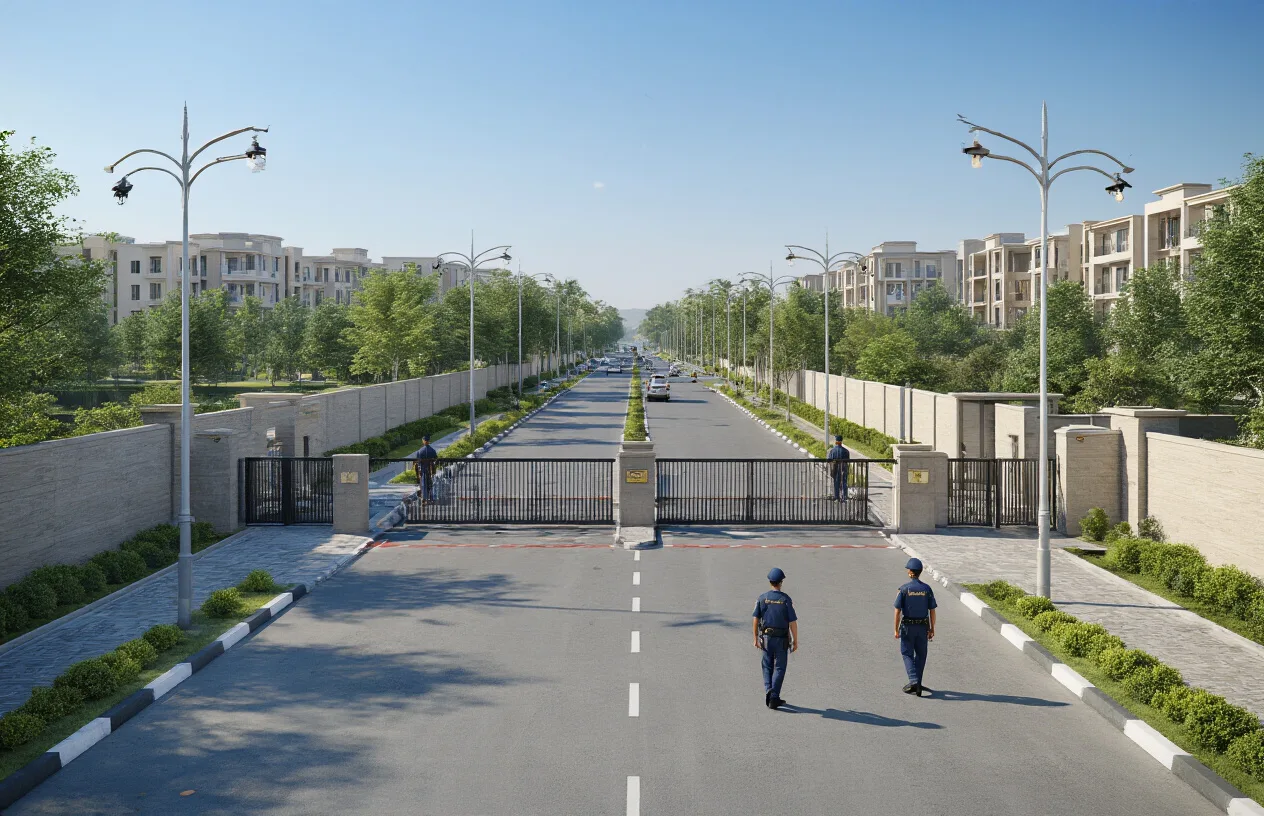
Premium residential developments in Islamabad have embraced global security standards that rival those found in Dubai, London, or Toronto. Communities like DHA Islamabad, Bahria Town, and Park View City implement multi-layered security systems including biometric access controls, 24/7 CCTV monitoring, and trained security personnel who undergo regular professional development.
These developments feature perimeter walls with sensor technology, visitor registration systems, and emergency response protocols that meet international benchmarks. Property management companies often hire security consultants with international experience to design comprehensive safety frameworks. Vehicle tracking within communities, panic button systems in homes, and direct communication channels with local law enforcement create security ecosystems that overseas investors find comparable to their current residential standards abroad.
Lower crime rates attracting safety-conscious expatriates
Statistical data from the National Police Bureau consistently shows Islamabad maintaining the lowest crime rates among Pakistan’s major urban centers. Petty crimes like street theft, vehicle snatching, and residential burglaries occur at rates 60-70% lower than Karachi or Lahore. Violent crime statistics paint an even more compelling picture, with incidents remaining minimal compared to other metropolitan areas.
This safety profile directly influences overseas Pakistani investment decisions, particularly for families planning future relocation or those purchasing properties for elderly parents. The psychological comfort of knowing their assets and loved ones remain secure drives significant capital allocation toward Islamabad real estate. Many expatriate families report feeling confident about visiting their properties without the heightened security concerns they associate with other Pakistani cities.
The city’s planned urban design, with wide roads, proper lighting, and organized traffic flow, contributes to this security advantage. Unlike densely packed urban areas with narrow streets and poor visibility, Islamabad’s grid system and open spaces naturally discourage criminal activities while facilitating effective policing.